

As remote and hybrid working become firmly embedded in everyday life, the home office has evolved into a considered, permanent feature of the modern home. For 2026, the focus is on creating spaces that feel calm, efficient and adaptable – balancing beauty with performance.
A well-designed home office should support productivity while enhancing wellbeing, blending seamlessly with the rest of the interior rather than feeling purely functional.
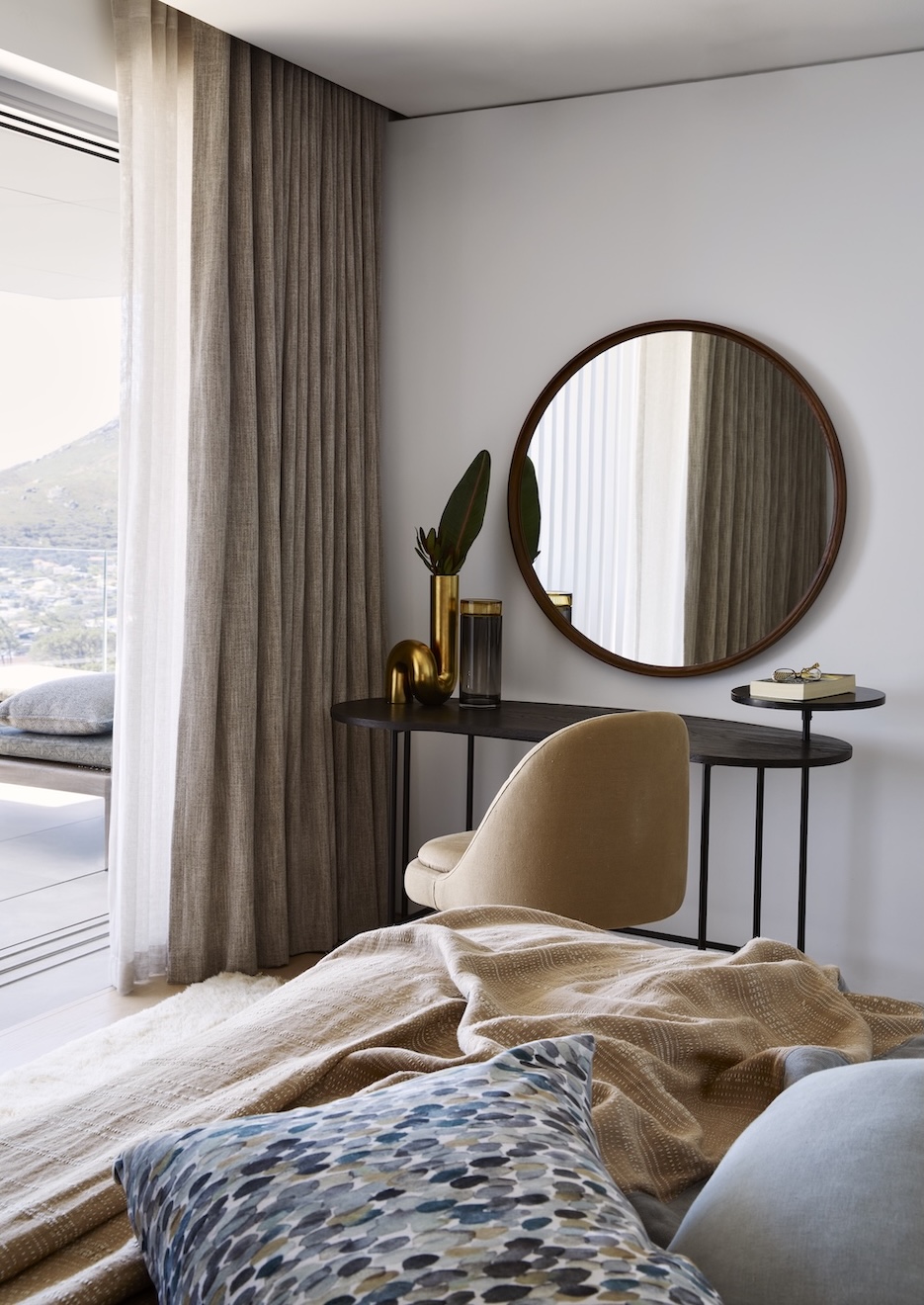
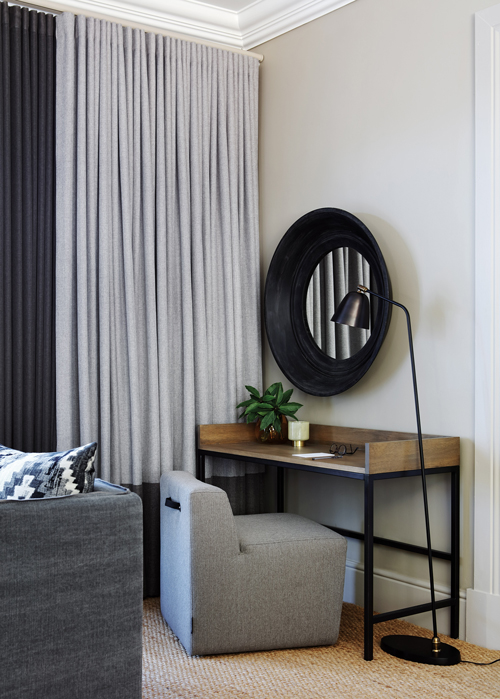
blending style & functionality
Future-ready home offices are shaped by the reality of daily life, where spaces must be able to move effortlessly between professional focus and domestic tasks. Multi-functional design is key: think joinery items that serve as feature while concealing office equipment, or designer desks that double as luxury dressing tables or console surfaces – here our Vince and Goliath desks really step up to the task.
A minimalist aesthetic continues to dominate, so there’s still an emphasis on decluttering and visual calm – which makes sense in a work space anyway. Thoughtfully curated storage help reduce distraction and promote productivity, while thoughtfully styled shelving allows for both practical storage and decorative expression. Open-backed shelving like our Theo unit are particularly effective, allowing for cable management while maintaining a light, architectural feel.
Nature remains influential for 2026, with natural fibres and organic finishes proven to support focus and reduce stress. Paired with well-considered task lighting, these elements create an environment that feels restorative rather than draining – the Mushroom, Winny and Bruce desk lights add elegance and elevate a working space.
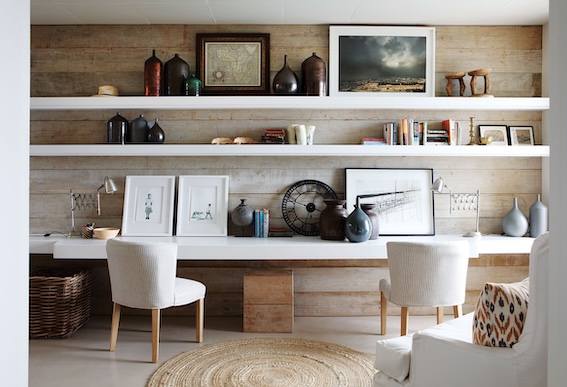
enhancing productivity & wellness
A successful home office is as much about wellbeing as it is about efficiency. Zoning is essential, particularly in open-plan or shared spaces. Clearly defining areas for focused work versus moments of pause helps maintain healthy boundaries throughout the day.
Soundproofing techniques – which can be done using upholstered wall finishes or heavy curtains – can significantly minimise distractions. Where space allows, privacy screens or partitions create a sense of separation without closing the room in, ideal for video calls or concentrated tasks.
Beyond function, personal touches and accessories bring warmth and individuality – artwork, books and meaningful objects that inspire creativity and motivation. Colour also matters. Soft neutrals promote calm, while deeper tones or curated artwork can inject personality and energy.

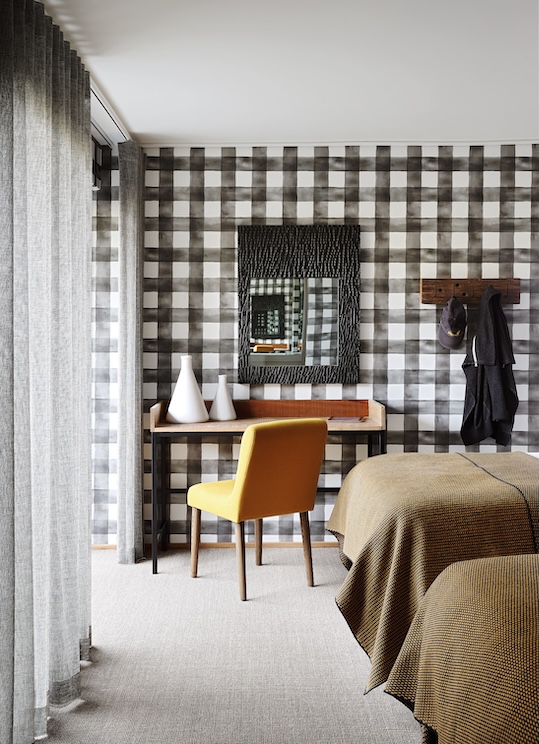
future-proof layouts
Flexibility defines the home office of 2026. Modular furniture allows layouts to adapt as needs change, particularly in smaller or shared homes. Desks designed to support both collaborative work and solo focus are increasingly popular, with adjustable heights and configurable surfaces.
Multi-purpose furniture is invaluable where space is limited. Benches with integrated storage, fold-away desks and concealed cabinetry maintain functionality without visual clutter. Hidden storage solutions help preserve a calm environment, supporting concentration and efficiency.
Shelving systems should prioritise accessibility, ensuring everyday essentials are within easy reach while less frequently used items are neatly stored away. Regular decluttering is not merely aesthetic – it actively improves workflow and mental clarity.
A future-ready home office is not about following trends blindly, but about designing a space that works beautifully for how you live and work now – and how that may change in the months and years to come.