

As the days begin to warm up and lengthen in the southern hemisphere, it’s time to start thinking about moving things outdoors more. And, as you spend a little more time each day on the deck or in the garden, it’s worth looking with fresh eyes at your spaces and consider ways you could update them.
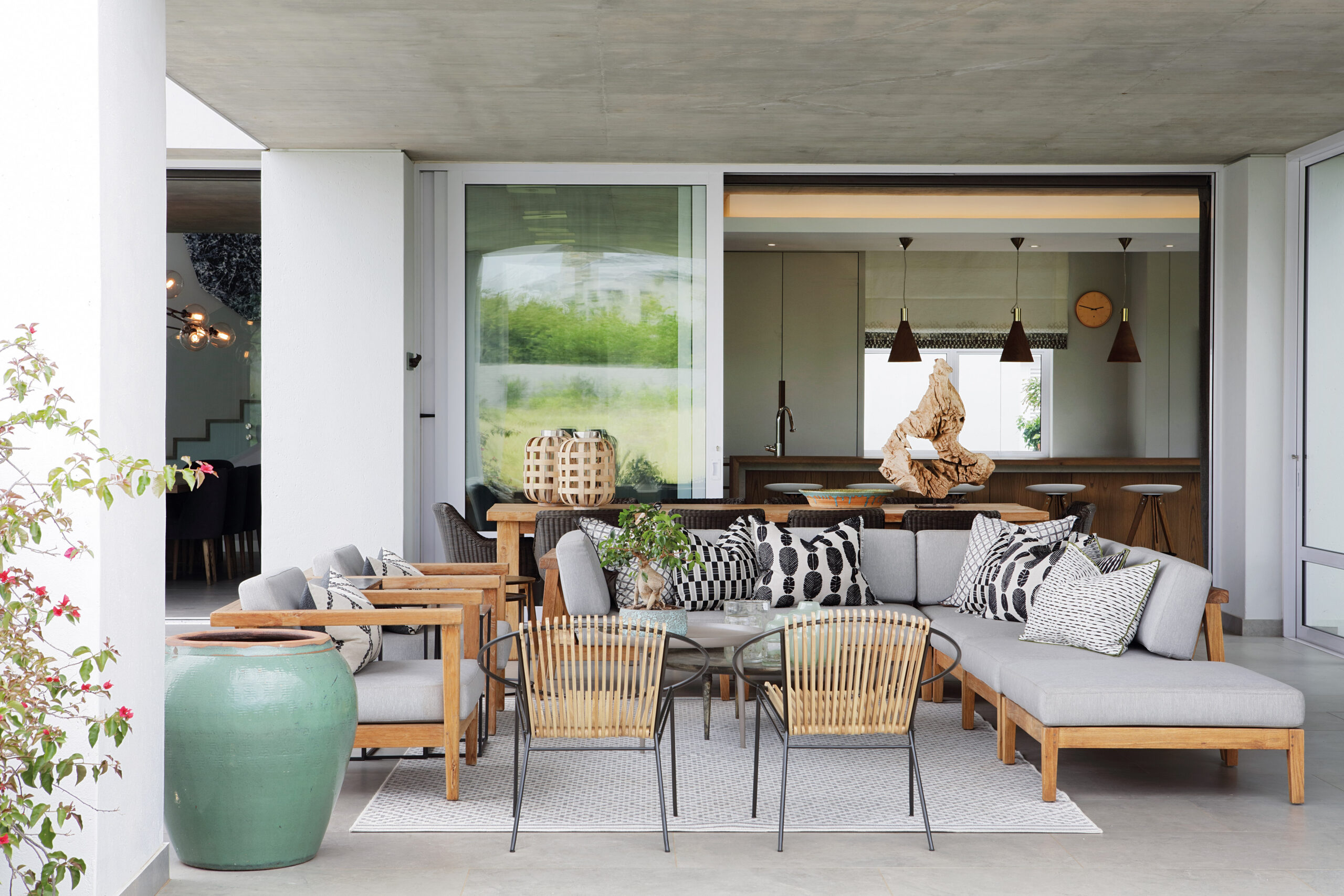
form follows function
The first thing to do is assess what you use the space most for – and is it currently being optimised for this purpose? What is its primary function and role… Are you a consummate entertainer who loves to host people in the summer? Are you an avid cook who needs the space to cater to prepping, grilling, roasting and braaiing? Or is your space largely used for relaxation, reading and quiet time?
When you’ve narrowed down the main role of the space is and how it needs to suit your needs on a daily basis, you can get down to the next practical step, which is assessing what existing features function well, and what needs changing.
zoning in
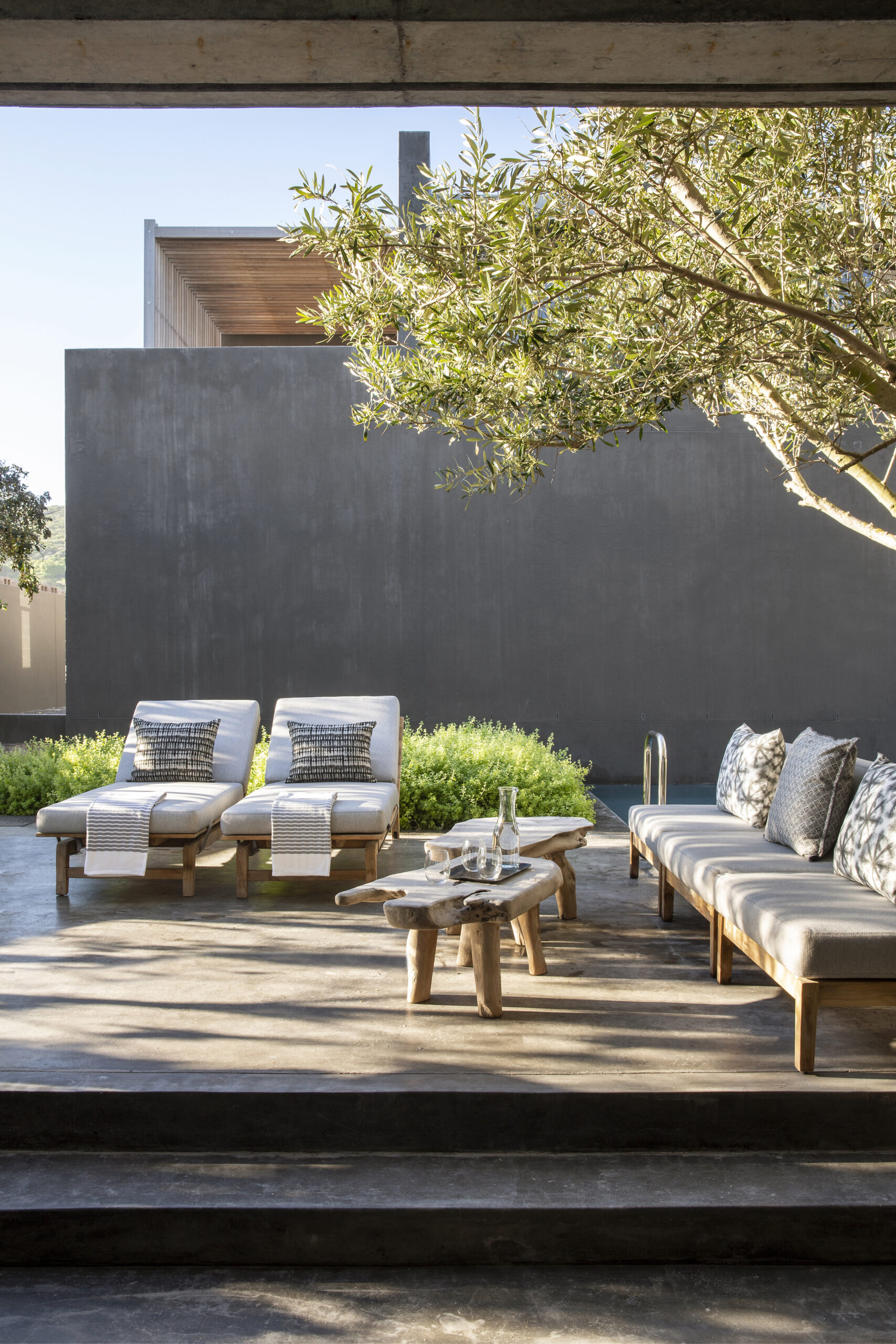
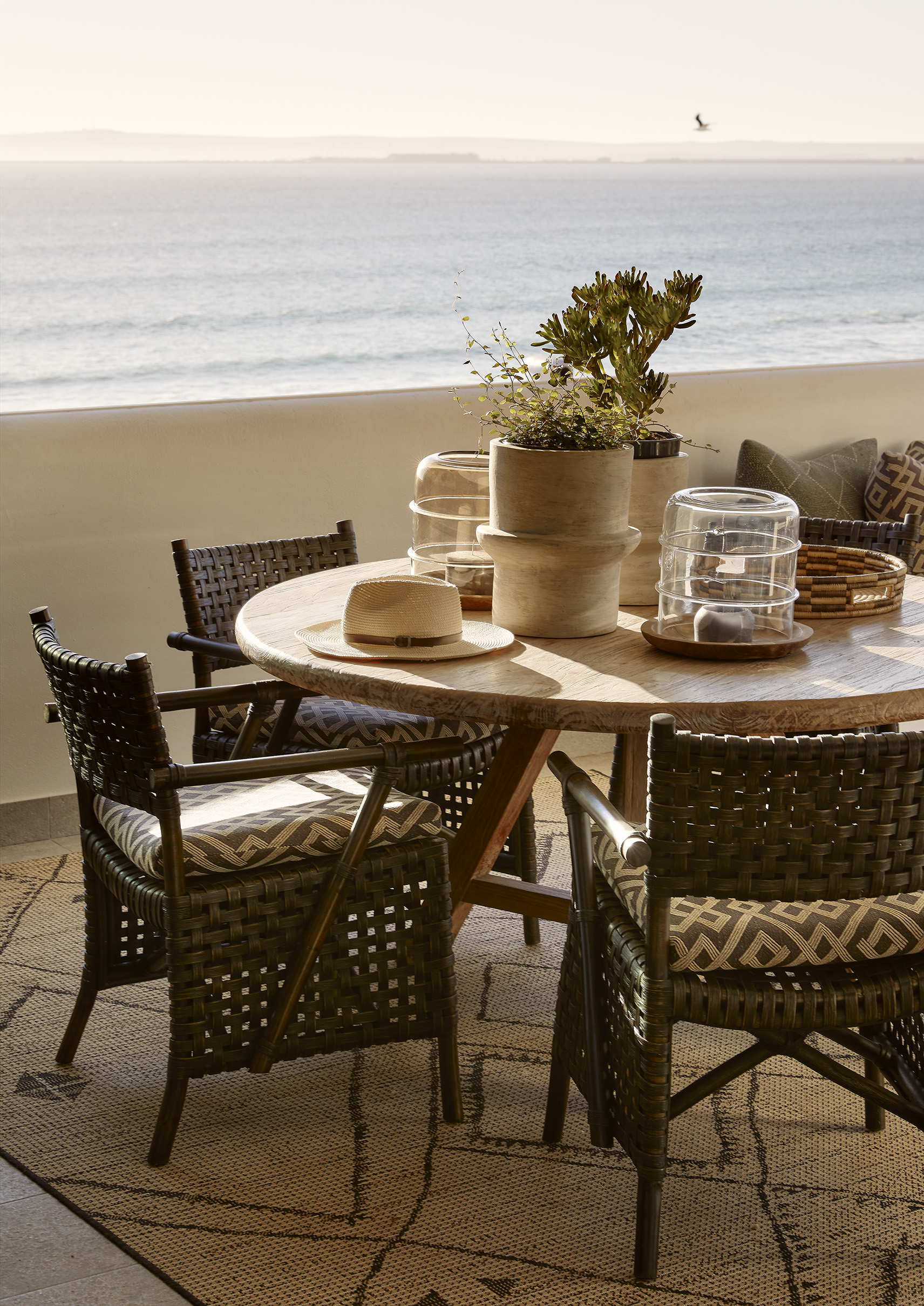
When critically reassessing an outdoor or multi-functional space, it’s helpful to designate specific areas for different activities, such as a dining area, a lounging zone, or a play space, to ensure each serves its purpose properly. To keep things organised, establish clear boundaries between these zones using elements like furniture, plants, or even outdoor screens. These boundaries will help define the areas without making them feel too separate.
Incorporating multi-purpose pieces adds versatility too. For example, a dining table that can double as a workspace or a bench that also offers storage. With these considerations, your space will be functional, inviting, and flexible for any need or occasion.
injecting personality
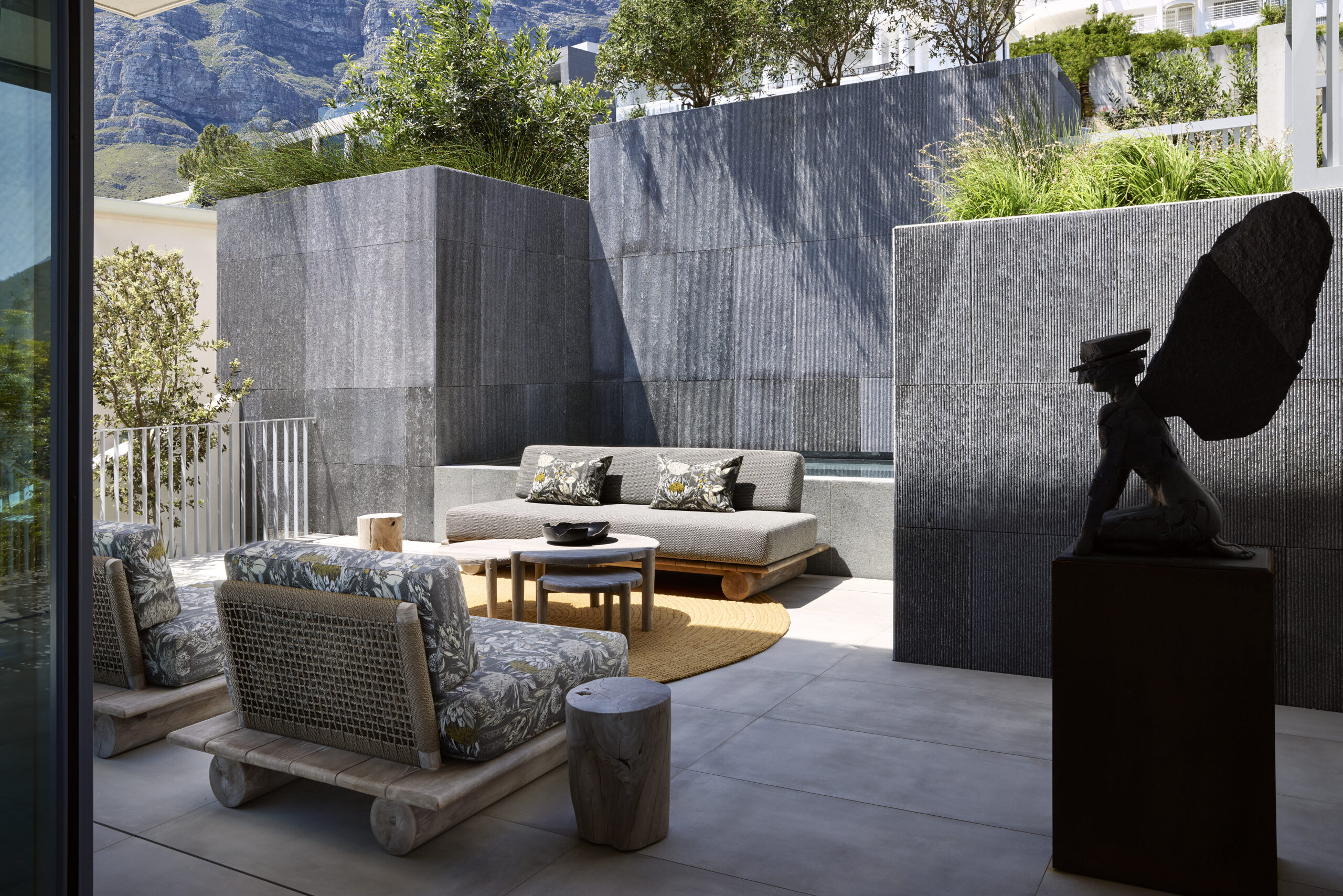
While function is of course paramount, aesthetics must be considered simultaneously. It’s good to choose a unifying theme or style that reflects your personality from the outset. This will help steer all your decisions, from colour palette to furniture selection. As the space is a midpoint between indoors and out, think carefully here about choosing colours that create a cohesive feel and don’t overwhelm the senses.
Bear in mind that natural, durable materials are the best choice to add depth and visual interest while ensuring the space is in keeping with the garden setting.
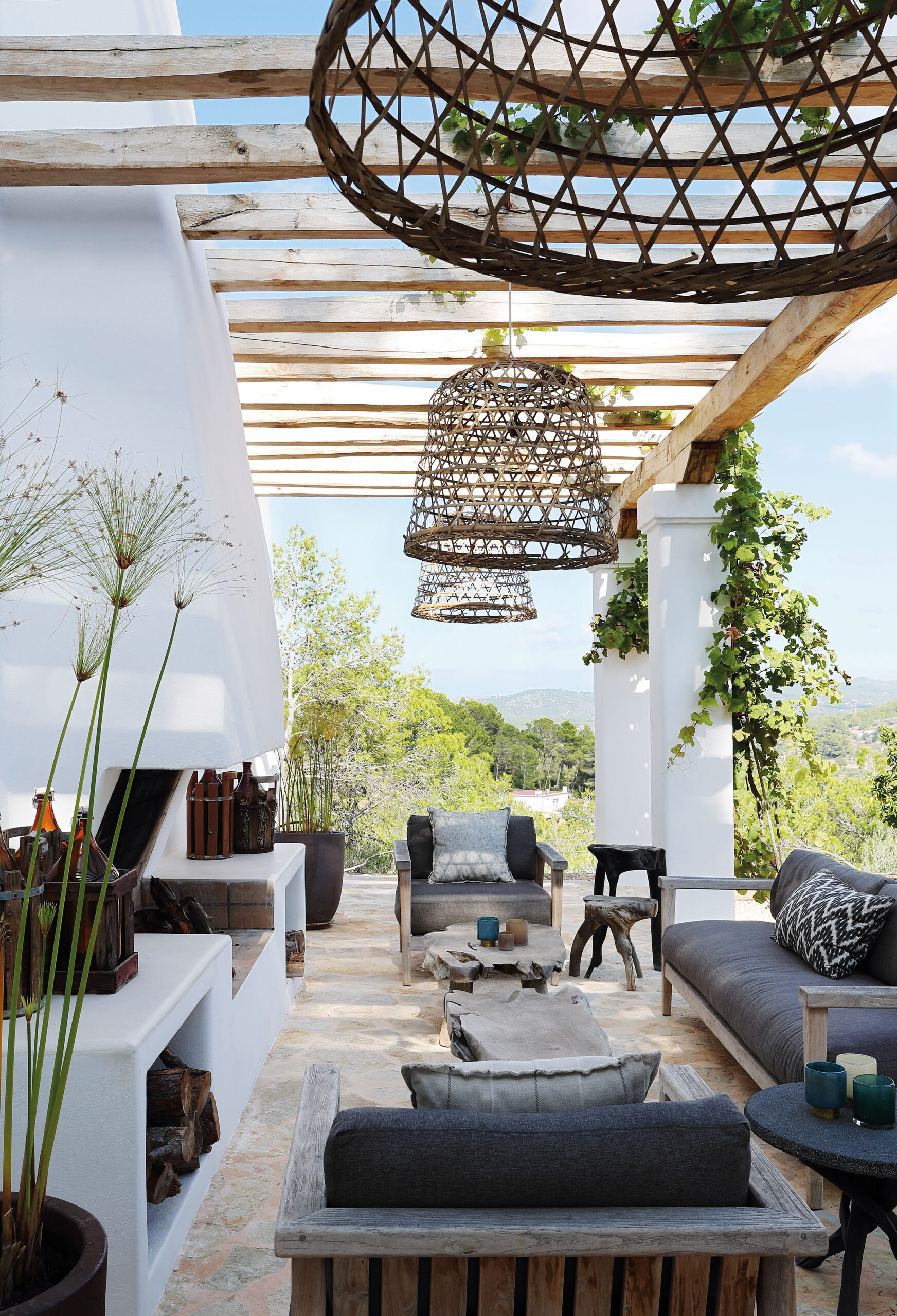

comfort and practicality are key
When designing an outdoor space, selecting weather-resistant furniture materials is crucial to ensure longevity and durability, especially with exposure to the elements. Opt for materials like teak, aluminium, or synthetic wicker that can withstand sun, rain, and wind. Once you’ve chosen the right materials, consider incorporating various seating and surface options such as lounge chairs, benches, or side tables to cater to different needs and create a dynamic atmosphere.
For an inviting and comfortable setup, create conversation groupings that encourage social interaction, whether it’s a cozy circle around a fire pit or a few groupings scattered throughout the space. Equally, choosing a suitably sized dining table, and stools if you have a bar counter or hatch. To enhance comfort, add outdoor cushions that not only bring in but also make the space more inviting.
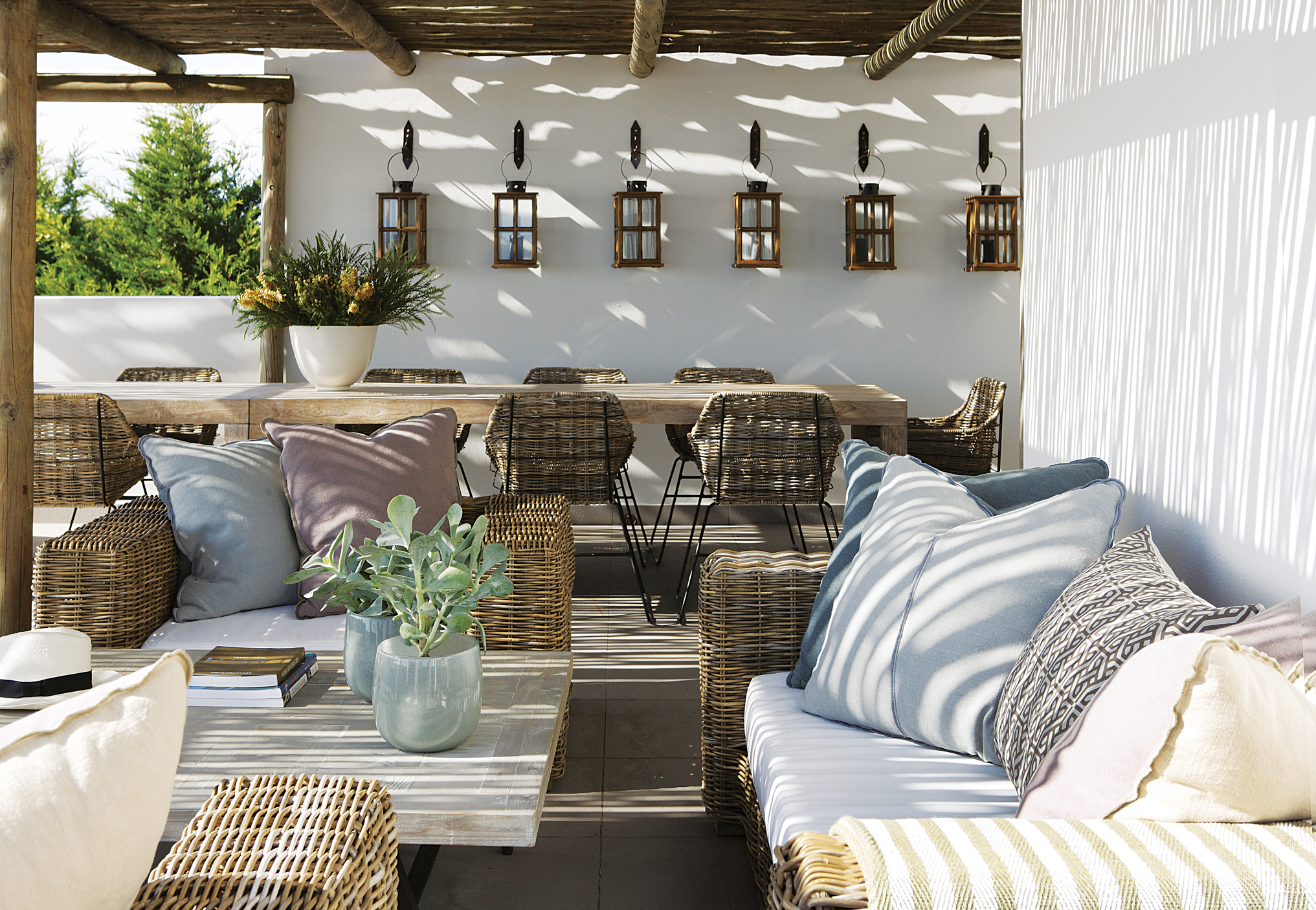
lighting and ambience
For outdoor spaces, installing ambient and practical lights is essential to ensure safety and smooth navigation after dark and to create a warm and inviting vibe perfect for relaxing or entertaining. This can range from candles and lanterns to wall lights.
To be more eco-conscious, consider incorporating solar-powered lighting options, which are not only sustainable but also add a charming touch to your landscape. Spotlights are a fantastic way to highlight focal points, such as trees, sculptures, or architectural features, making them stand out at night. Lastly, installing dimmers allows you to adjust the lighting to suit the mood, whether you’re hosting a lively gathering or enjoying a quiet evening. Thoughtfully combining these lighting elements will not only enhance the beauty of your space but also provide the right ambiance for any occasion. For the mood lighting, candles, lamps and pendants will add that extra layer of light and life.
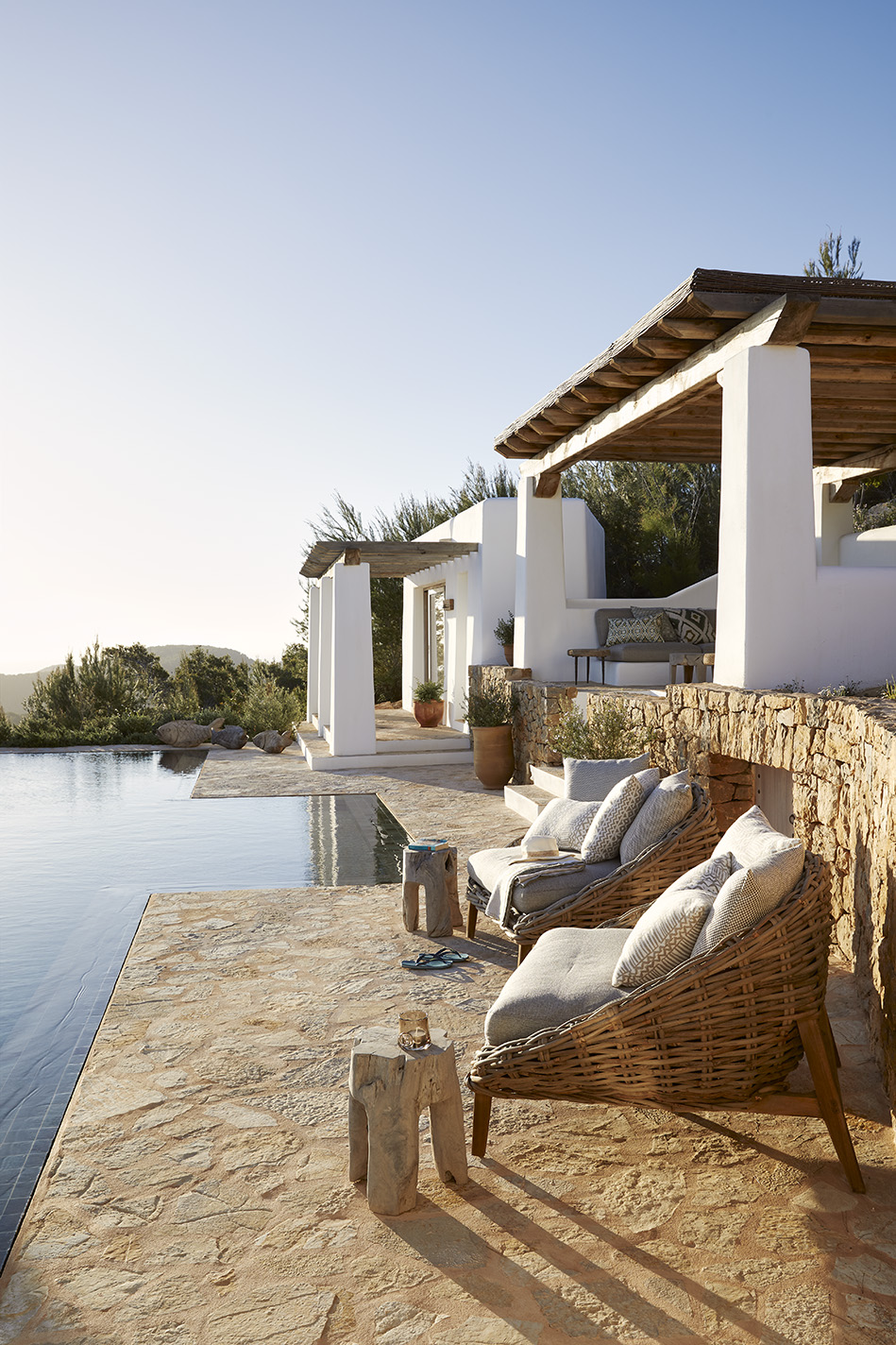
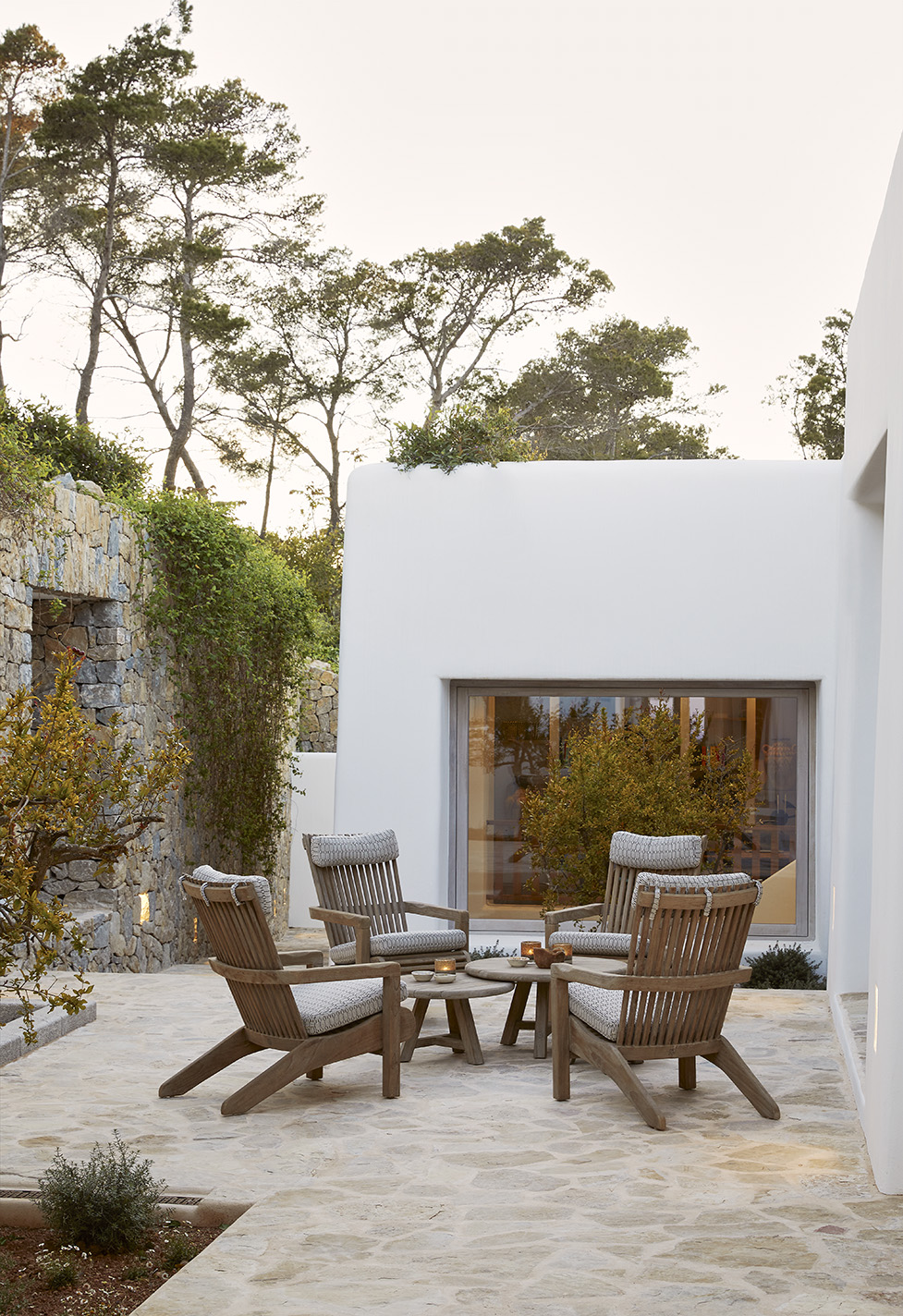
the finishing touches
Non-permanent elements like plants, throws, rugs or artwork that work well in any season are the best way to refresh and elevate an existing space. Rugs for example, not only help visually organize the space but also add warmth and texture underfoot. Including plants to soften the space (house these in decorative vessels like baskets and planters) will merge the indoors with the out even further.
Alongside this, incorporating storage solutions for equipment and accessories, like baskets and shelving. Lastly, incorporating smart technology, such as automated lighting or outdoor speakers, can make your space more convenient and functional, allowing you to easily control elements with just a touch or command. With these thoughtful additions, your outdoor area will be both stylish and functional, perfect for relaxation, entertaining, and enjoying the outdoors.