

In interior design, contrast is one of your greatest tools. It’s an effective way to inject both visual balance and interest into spaces and ward off monotony.
Spaces that use contrast strategically tell a story far more effectively and allow for greater self-expression through design. Creating memorable spaces through strategic contrast and perfect proportion.

Contrasting Shapes – finding your forms
Combining shapes in a space creates dynamism. It’s essential to bring complementary forms together into a scheme to prevent it becoming repetitive and risk it tipping over into boring. Here, it’s important to balance heights (not have everything the same), and position things off centre for visual interest.
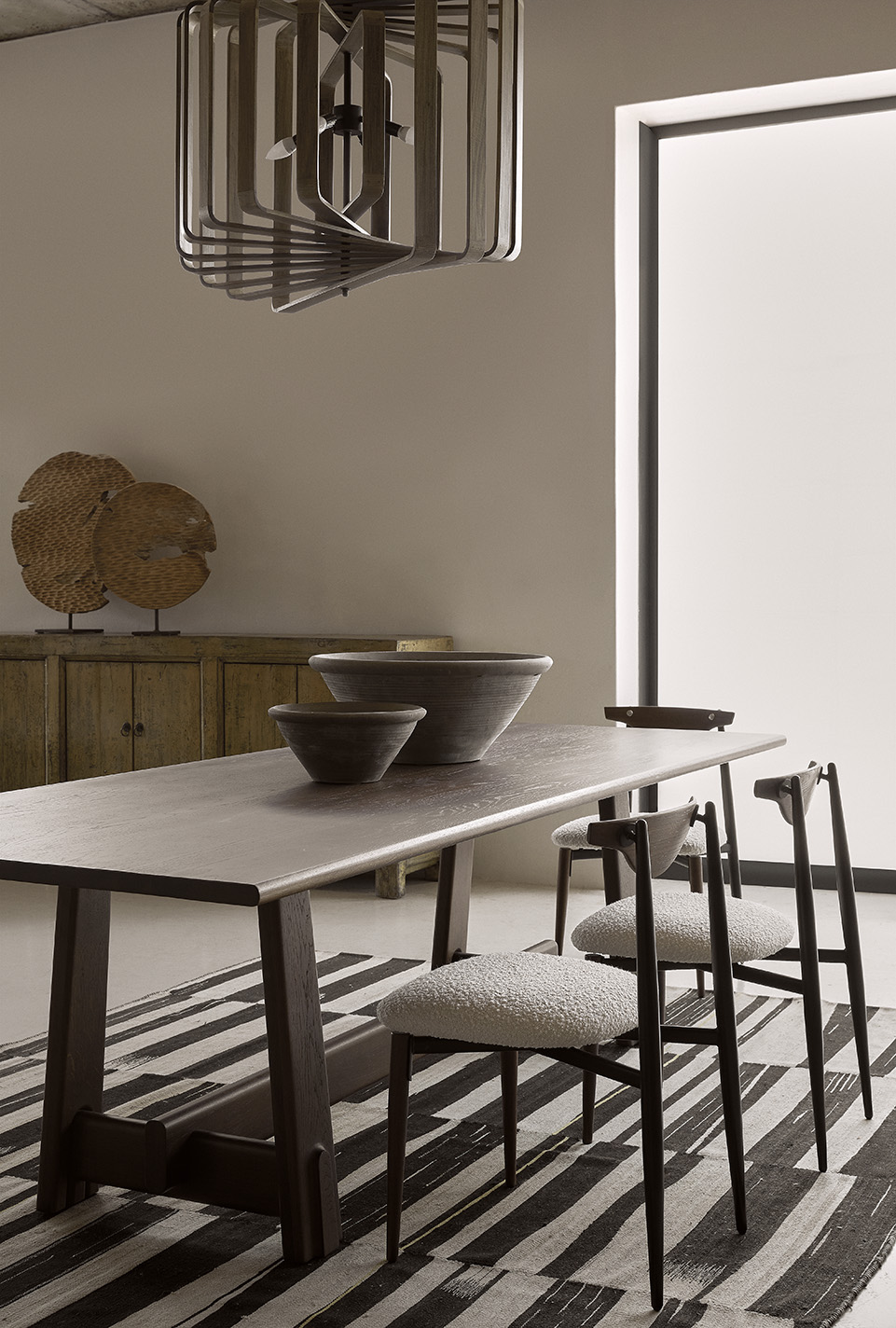

Contrasting Textures – touchy feely
Introducing textural and material contrast is an easy and instant way to create layers and a sense of dimension. By mixing textures, you offer the senses tactile interest as well as creating visual tension. Consider pairing rough with smooth, matte and glossy, soft and hard, transparent and opaque. These juxtapositions, even if not immediately obvious, register on a subliminal level and draw the eye in.
You can also do this with pattern – mixing the scales of patterns (large with small), organic and geometric pattern. By combining patterns with different sensibilities you create rhythm – through repetition and contrast. Think about using contrast in pattern to define zones within a space too.
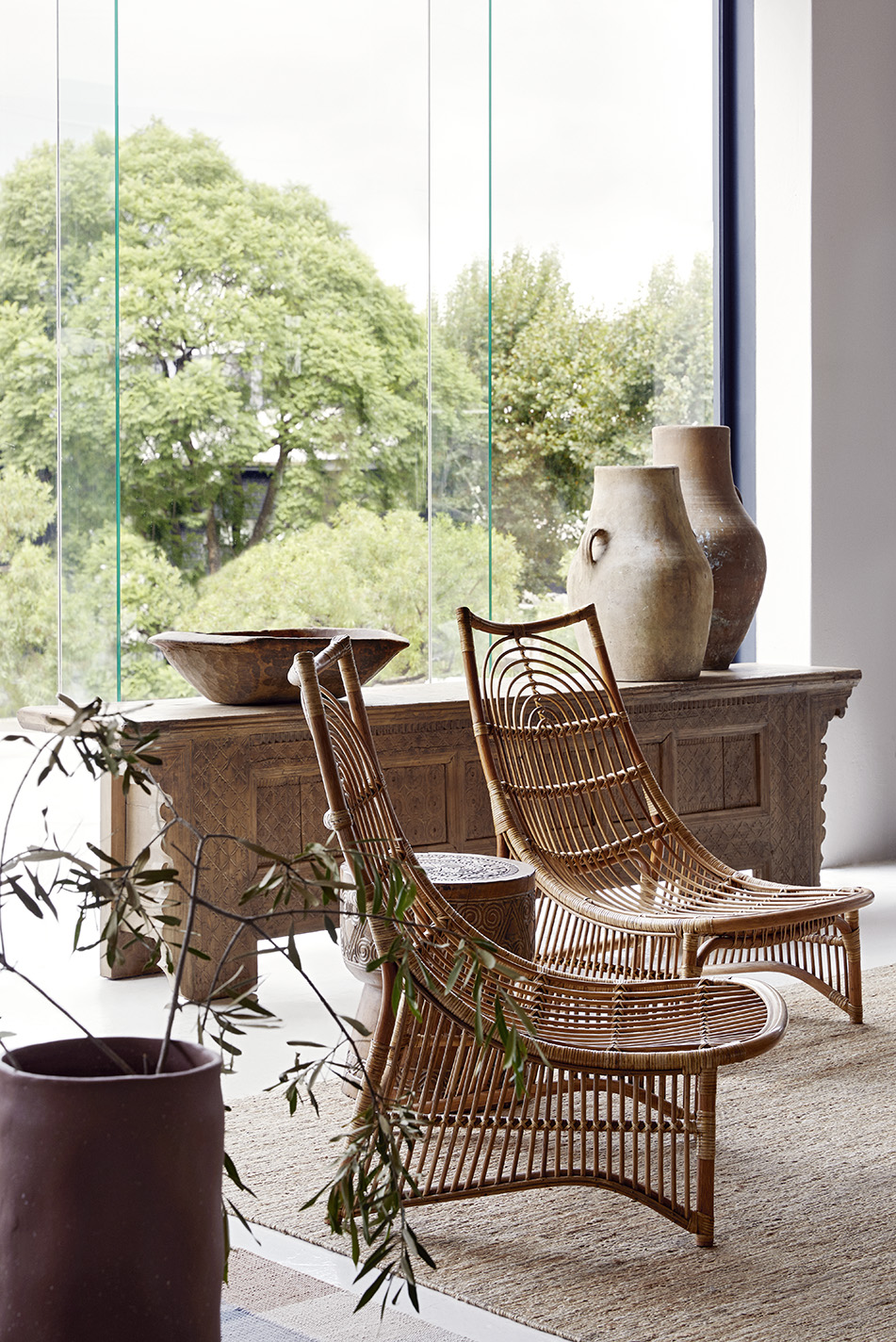
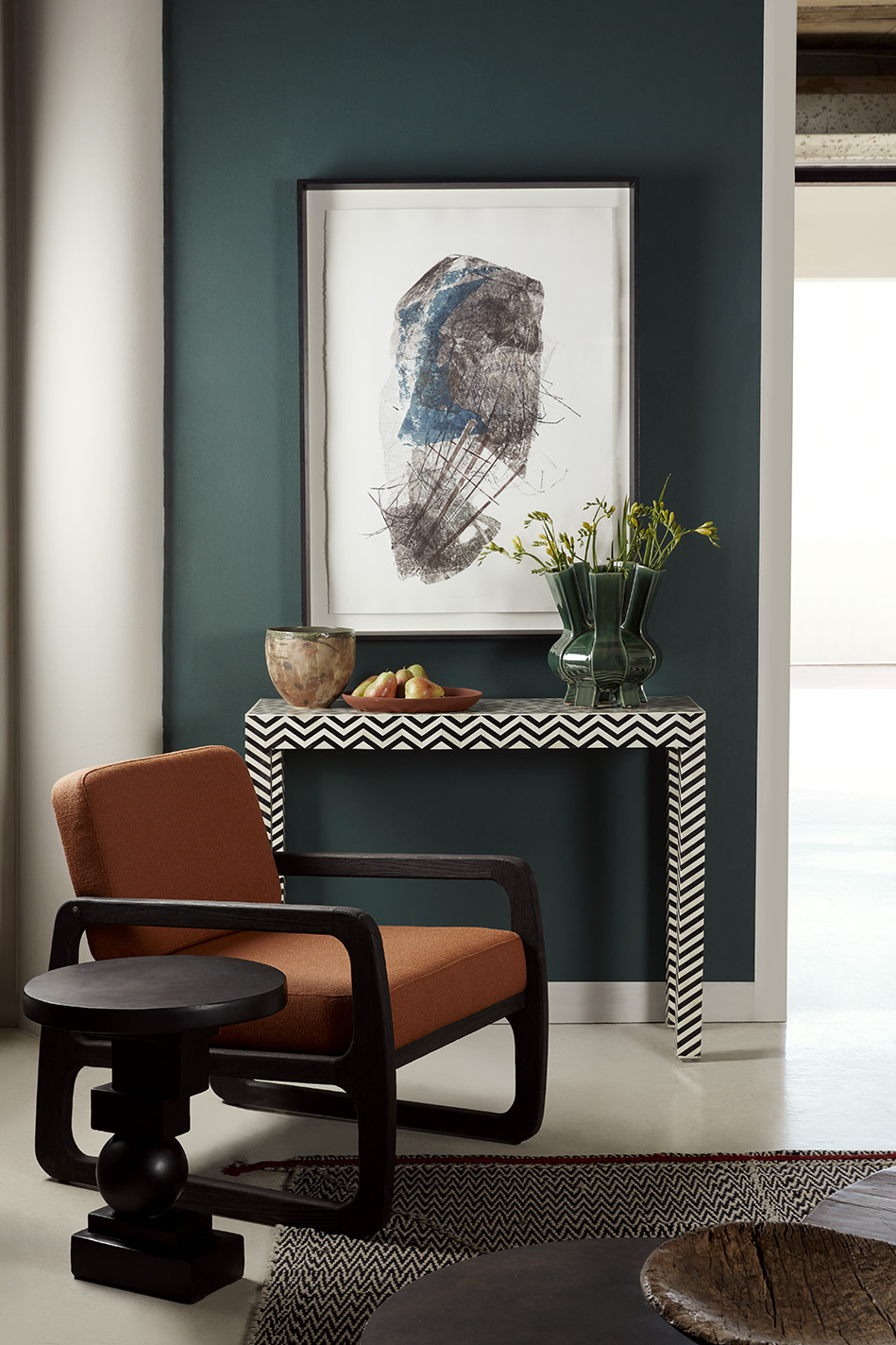
Contrasting origins – looking back and around
Contrasts don’t have to simply be visual – they can be based on provenance too. And with that will naturally come stylistic differences. But it goes deeper – which is part of creating a space with substance. By blending pieces from different regions and eras, you’re demonstrating an ability to find common threads as well as contrasting elements. Traditional pieces with contemporary art for example, or midcentury furniture with tribal accents, antiques with modern. These pairings all go towards injecting personality into a space.
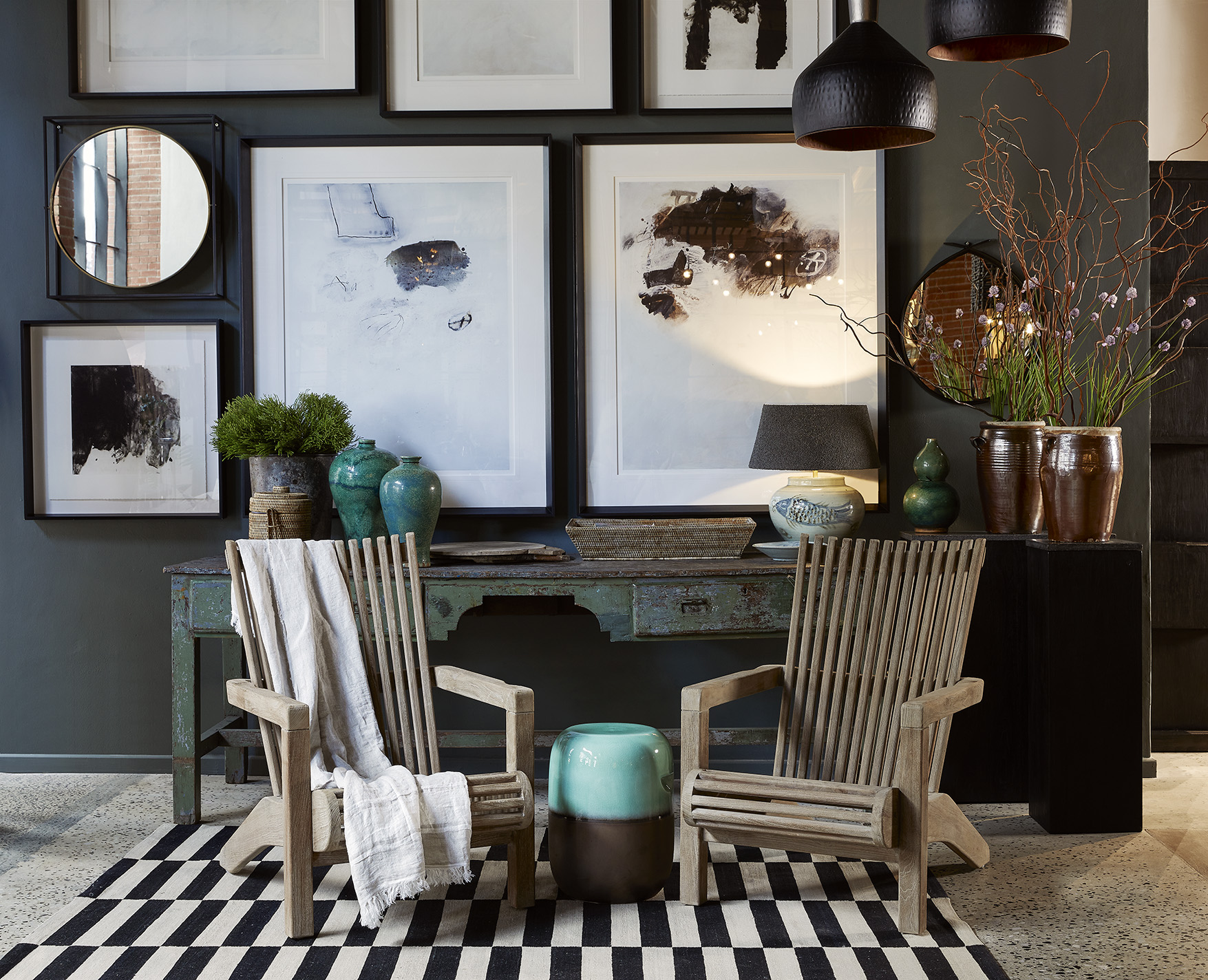
contrasting sizes – the power of proportions
Determining appropriate furniture sizes from various luxury chairs to any other form of luxury furniture for different spaces sometimes needs an expert touch (that’s where we come in). But there are a few golden rules that can help guide you in your compositions. A few to bear in mind – don’t clutter, rather create focal points; consider flow through the space, and remember the room’s function.
Then you can move on to aesthetics. But there’s still room to be brave – play with scale (go big on artwork for example and fill the whole wall) or use bold pieces in small spaces (tiny ones make the space feel even pokier).
Remember too that your furniture doesn’t exist in a vacuum. You need to look at your existing architectural and spatial elements to select, place and pair your pieces – heights of ceilings, window treatments, door proportions, etc.