

Exceptional interiors begin with a solid understanding of interior design principles and styling. Before selecting furniture, colours, or décor, it’s essential to consider how a space functions and how people interact with it.
La Grange Interiors’ ethos is founded in universal design principles – balance, flow, proportion, quality. By following these golden rules, you can create something timeless, while introducing your own essence.
Developing a cohesive style
Every successful interior begins with a clearly defined design direction. Whether contemporary, traditional, Scandinavian, minimalist, maximalist, industrial, or transitional, each style interprets core design principles differently while maintaining balance, proportion, and rhythm.
Blending styles can produce unique, personalised interiors when approached intentionally. A consistent colour palette, material selection, and overall design narrative ensure different influences work together rather than compete, resulting in spaces that feel curated and enduring.


Rhythm and flow
Rhythm gives interiors movement and continuity. Repeating colours, materials, patterns, and shapes encourages the eye to move naturally throughout a space, creating a sense of cohesion.
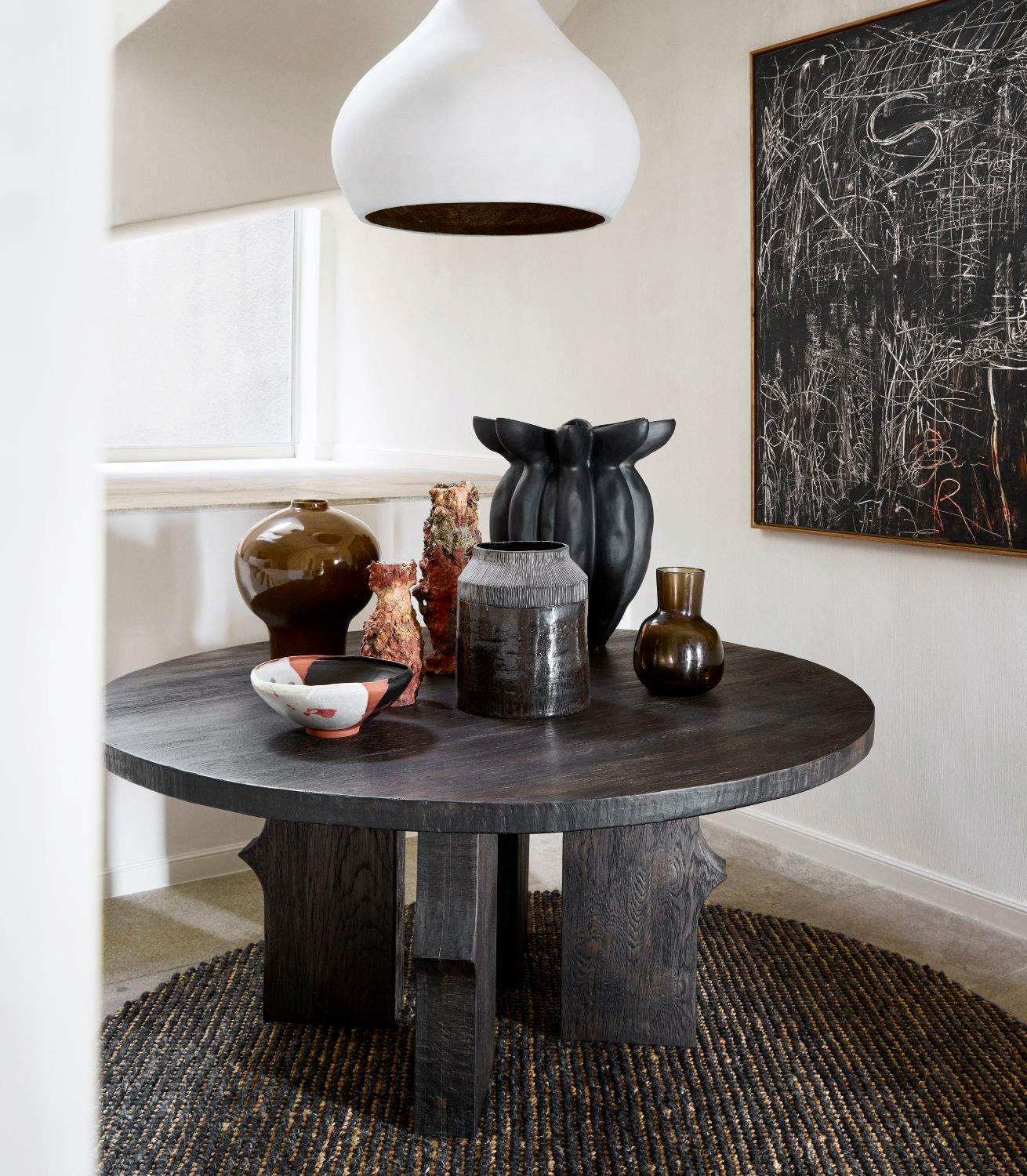
Transitions between rooms should feel seamless, while gradual changes in colour, texture, or scale introduce progressive rhythm that keeps interiors visually engaging. Every well-designed room also benefits from a dominant focal point, whether it’s a fireplace, statement artwork, expansive window, or carefully positioned lighting feature.
Supporting focal points add depth without competing for attention, ensuring every space feels intentional rather than visually fragmented.

Contrast as a tool
In interior spaces, contrast introduces depth, definition, and visual excitement. Using contrasting colours, textures, shapes, materials, and scales highlights important features and creates dynamic interiors.
Light and dark contrasts are particularly effective in defining architectural features and influencing mood. However, successful contrast always works alongside harmony. Too much variation can feel chaotic, while carefully controlled contrast enhances the overall composition and directs attention exactly where it’s needed.
Colour & texture
Colour profoundly influences how we experience a space. Warm tones create inviting, energetic environments, while cool colours encourage a sense of calm and increase the feeling of spaciousness. Monochromatic, and neutral colours provide a versatile foundation that allows accent colours to shine.
Lighting also affects colour perception. Natural daylight, warm evening lighting, and artificial illumination can dramatically alter how paint colours and finishes appear throughout the day, making careful testing essential.
Texture adds richness and dimension beyond colour alone. Combining smooth and rough finishes, matte and reflective surfaces, or soft and structured fabrics creates visual and tactile interest.
Natural materials such as timber, stone, linen, metal, and glass each contribute their own character and tell a unique design story. Layering complementary materials prevents interiors from feeling flat while maintaining visual clarity. Light interacting with different textures also creates subtle shadows and highlights that enhance depth throughout the space.


Lighting as a design tool
Lighting is one of the most influential tools in interior styling. Artificial lighting should incorporate three essential layers: ambient lighting for overall illumination, task lighting for functional activities, and accent lighting to highlight architectural features or artwork.
Beyond functionality, decorative light fittings become design features in their own right, reinforcing focal points and supporting the room’s overall aesthetic. Choosing the appropriate light intensity and colour temperature further enhances comfort and cohesion.

Arranging your space
Furniture placement transforms design principles into practical living spaces. Well-planned layouts encourage comfortable movement while clearly defining functional zones, particularly within open-plan homes.
Conversation groupings create inviting social spaces, while maintaining comfortable traffic pathways ensures effortless circulation. Area rugs too, help anchor furniture arrangements, visually separating living, dining, and relaxation zones while bringing the composition together. Furniture should also reflect the room’s proportions, adapting to square, rectangular, or irregular layouts without compromising balance.
Beautiful interiors are never accidental. They are the result of thoughtful planning, balanced composition, and a clear understanding of interior design principles and styling.
At La Grange Interiors, these principles guide every project, ensuring each space is not only visually captivating but also functional and tailored to the people who live within it. By combining timeless design foundations with carefully curated styling, it’s possible to create interiors that remain elegant, practical, and enduring for years to come.